A Global Love Affair with Fried Rice: Unpacking the Differences
Fried rice is a culinary chameleon, gracing tables and street stalls across Asia and beyond. While the concept of stir-frying rice with various ingredients is universal, the nuances in technique, seasoning, and regional preferences create vastly different flavor profiles. Among the most beloved variations are the familiar Chinese fried rice and the increasingly popular
thai fried rice khao pad. Both offer comforting, savory meals, yet a deep dive reveals a fundamental divergence: the transformative power of fish sauce.
This article will explore the distinctive characteristics of Khao Pad, shining a spotlight on how its reliance on fish sauce sets it apart from its soy-sauce-centric Chinese counterpart, offering a unique and unforgettable culinary experience.
What Makes Khao Pad Unique? The Heart of Thai Fried Rice
At its core,
thai fried rice khao pad (ข้าวผัด) translates simply to "stir-fried rice." However, this humble name belies a dish of incredible depth and flavor, a staple enjoyed daily across Thailand, from bustling Bangkok street stalls to home kitchens. The allure of Khao Pad lies in its delicate balance and distinctive aroma, making it a beloved comfort food.
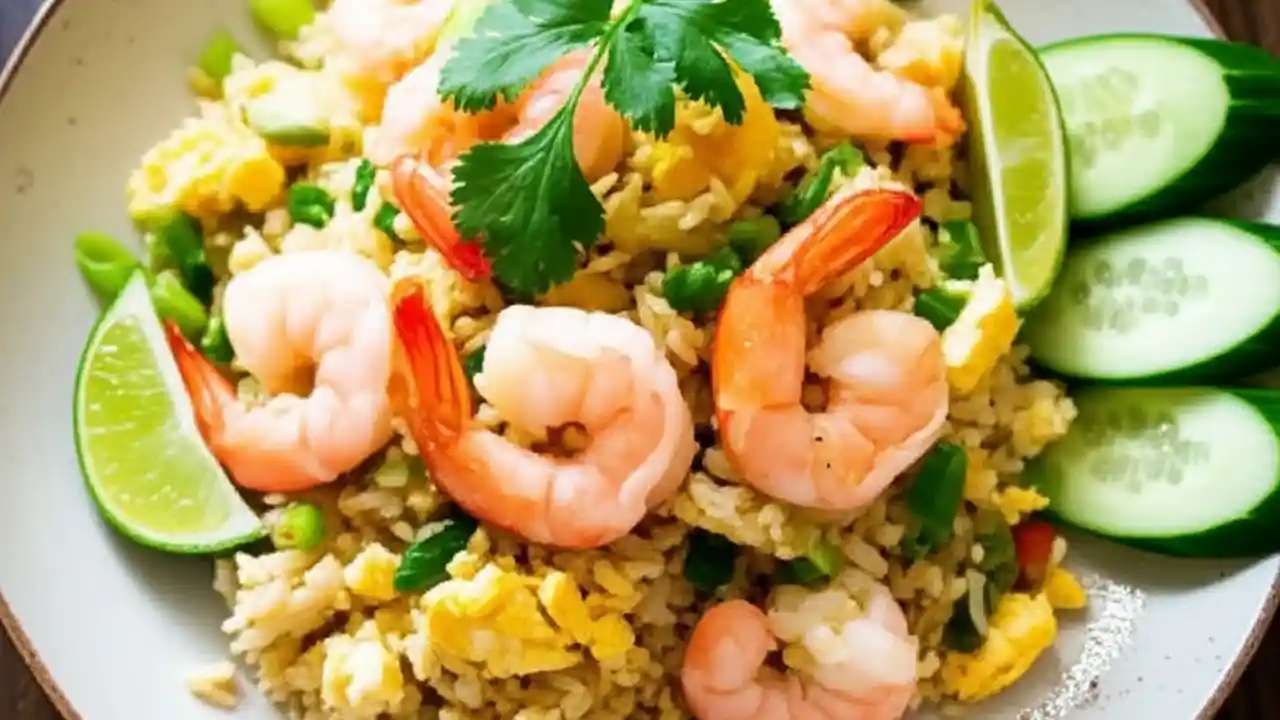
Unlike many other fried rice dishes that aim for a darker, more intensely savory profile, authentic Khao Pad maintains a lighter appearance and a vibrant freshness. Its key components typically include fragrant jasmine rice, finely minced garlic, scrambled egg, your choice of protein (chicken, shrimp, pork, or tofu are common), and a medley of fresh vegetables such as spring onions and often cherry tomatoes. The magic, however, truly happens with its signature seasoning: fish sauce.
This focus on fresh ingredients and a unique seasoning philosophy is what gives Khao Pad its authentic taste. If you're keen to master its secrets, our guide on
Authentic Thai Fried Rice: Master Khao Pad's Street Stall Secrets offers invaluable tips.
The Defining Ingredient: Fish Sauce vs. Soy Sauce
The most profound distinction between
thai fried rice khao pad and Chinese fried rice lies in their primary umami-delivery system. This difference isn't merely about taste; it dictates the entire flavor architecture and even the visual appeal of the dish.
Fish Sauce's Role in Khao Pad
For Khao Pad, fish sauce (
nam pla) is non-negotiable. This amber-hued liquid, made from fermented anchovies, is the backbone of Thai cuisine. It imparts a complex, savory depth often described as "umami funk" – a unique flavor profile that is pungent, salty, and subtly sweet all at once. When used in fried rice, fish sauce:
- Provides a Distinctive Umami: It’s a different kind of savoriness than soy sauce, offering a more rounded, almost earthy depth without overpowering other ingredients.
- Maintains a Lighter Color: Unlike the darker hues imparted by soy sauce, fish sauce allows the natural colors of the rice, egg, and vegetables to shine through, contributing to Khao Pad's fresh and vibrant appearance.
- Builds Layers of Flavor: Its unique fermentation process creates flavour compounds that simply cannot be replicated by soy sauce, giving Khao Pad its signature taste.
Soy Sauce in Chinese Fried Rice
In contrast, Chinese fried rice traditionally relies heavily on soy sauce (both light and dark varieties) for its seasoning.
- Darker Color and Robustness: Soy sauce gives Chinese fried rice its characteristic darker brown color and a generally bolder, saltier initial taste. Dark soy sauce, in particular, adds a deep hue and a slightly sweeter, richer flavor.
- Different Umami Profile: While also rich in umami, the savoriness derived from fermented soybeans differs significantly from that of fermented fish. It tends to be more direct and less subtly complex than fish sauce.
- Often Incorporates Oyster Sauce: Many Chinese fried rice recipes also include oyster sauce, which adds another layer of rich, sweet, and savory umami, further contributing to a distinct flavor profile.
This fundamental difference in primary seasoning agent is what truly separates these two beloved rice dishes, each offering a unique journey for your taste buds.
Mastering the Art of Authentic Thai Fried Rice (Khao Pad)
Achieving the perfect
thai fried rice khao pad goes beyond just the right sauce. Years of cooking and studying the craft, particularly at bustling Bangkok street stalls, reveal three crucial elements that elevate Khao Pad from merely good to truly outstanding.
The Rice is Right: Day-Old Jasmine Rice
This is perhaps the most critical, yet often overlooked, element. Freshly cooked rice contains too much moisture, which inevitably leads to a soggy, clumpy fried rice. Day-old jasmine rice, however, has had time to dry out slightly in the refrigerator. This dehydration ensures that each grain remains separate, allowing it to fry properly and develop that coveted chewy texture and slight crispiness without turning mushy. It’s the secret to achieving perfectly distinct grains, a hallmark of excellent fried rice.
High Heat, Rhythmic Folding
Thai fried rice demands high heat – think a roaring wok flame. This intense heat is essential for flash-cooking ingredients quickly, creating a smoky aroma often referred to as "wok hei" in Chinese cooking (though the technique is slightly different, the principle of rapid cooking at high temperatures is shared). However, the technique of agitation is distinct. Rather than constant, aggressive tossing that can break delicate jasmine rice grains, Thai chefs often employ a controlled, rhythmic folding motion. This method gently distributes seasonings and ingredients evenly, ensuring every grain is coated without compromising its integrity. It allows the rice to caramelize slightly and absorb the flavors while maintaining its structural integrity.
Balance of Flavors
Beyond fish sauce, authentic Khao Pad achieves its magic through a symphony of balanced tastes. The dish incorporates:
- Salty: Primarily from fish sauce.
- Sweet: A touch of sugar (often palm sugar) balances the salt and umami.
- Sour: A generous squeeze of fresh lime juice, typically added at the table, provides a bright counterpoint.
- Spicy: Fresh chilies, either cooked into the dish or, more commonly, served alongside in the form of *Prik Nam Pla*.
Beyond the Sauce: Other Distinguishing Elements
While fish sauce is the star, several other elements contribute to the unique identity of
thai fried rice khao pad.
Garnishes and Customization
Thai fried rice is almost always served with fresh accompaniments that allow for personalization at the table. These typically include:
- Fresh Lime Wedges: A squeeze of lime juice adds a vital burst of acidity, brightening the entire dish and cutting through its richness.
- Cucumber Slices: These provide a refreshing, cooling contrast to the savory, warm rice.
- Prik Nam Pla: This essential Thai condiment is a simple yet powerful mixture of fish sauce, fresh bird’s eye chilies, and often garlic and lime juice. It allows diners to adjust the heat and acidity to their exact preference, making each bite a custom-tailored experience. This is a significant differentiator, as many Chinese fried rice dishes incorporate spice directly into the cooking process rather than as an optional table condiment.
Protein & Veggies
The versatility of Khao Pad is another appealing factor. Common protein choices include tender chicken pieces (*gai*), succulent shrimp, lean pork, or even vegetarian options like tofu. Eggs are almost always included, scrambled directly into the rice, adding richness and protein. While yellow and green onions are standard, some variations might include fresh chilies and cherry tomatoes, adding color and a slight tang. This adaptability makes Khao Pad a fantastic option for busy weeknights, easily customized to whatever you have on hand. For quick and healthy ideas, check out
Quick & Healthy Khao Pad: Your 30-Minute Authentic Thai Meal.
Bringing Authentic Khao Pad to Your Kitchen
Making authentic
thai fried rice khao pad at home is surprisingly straightforward, offering a delicious and often healthier alternative to takeout.
- Prepare Your Ingredients: Have everything chopped and ready to go before you start cooking. This "mise en place" is crucial for high-heat stir-frying.
- Use Day-Old Rice: As emphasized, this is non-negotiable for separate, fluffy grains.
- Good Quality Fish Sauce: Invest in a reputable brand of fish sauce; it makes a significant difference to the final flavor.
- Don't Overcrowd the Pan: Cook in batches if necessary. Overcrowding lowers the pan temperature, steaming the ingredients instead of frying them.
- Embrace High Heat: Use your highest heat setting to achieve that quick cook and slight caramelization.
- Adjust to Taste: Remember the garnishes! Lime, cucumber, and Prik Nam Pla are vital for balancing and personalizing the flavors.
With these tips, you're well on your way to recreating the light, fragrant, and utterly delicious fried rice found on the streets of Thailand.
Conclusion: An Umami Journey Awaits
While both Thai and Chinese fried rice dishes offer immense satisfaction, the journey through their flavors is distinctly different. The reliance on fish sauce as the primary seasoning agent fundamentally transforms
thai fried rice khao pad into a dish of lighter color, profound savory depth, and a unique umami that soy sauce simply cannot replicate. Coupled with the crucial techniques of using day-old rice, high heat, and rhythmic folding, Khao Pad delivers a truly authentic and unforgettable culinary experience. So, the next time you crave fried rice, consider embarking on an umami adventure with Khao Pad – you might just discover your new favorite comfort food.