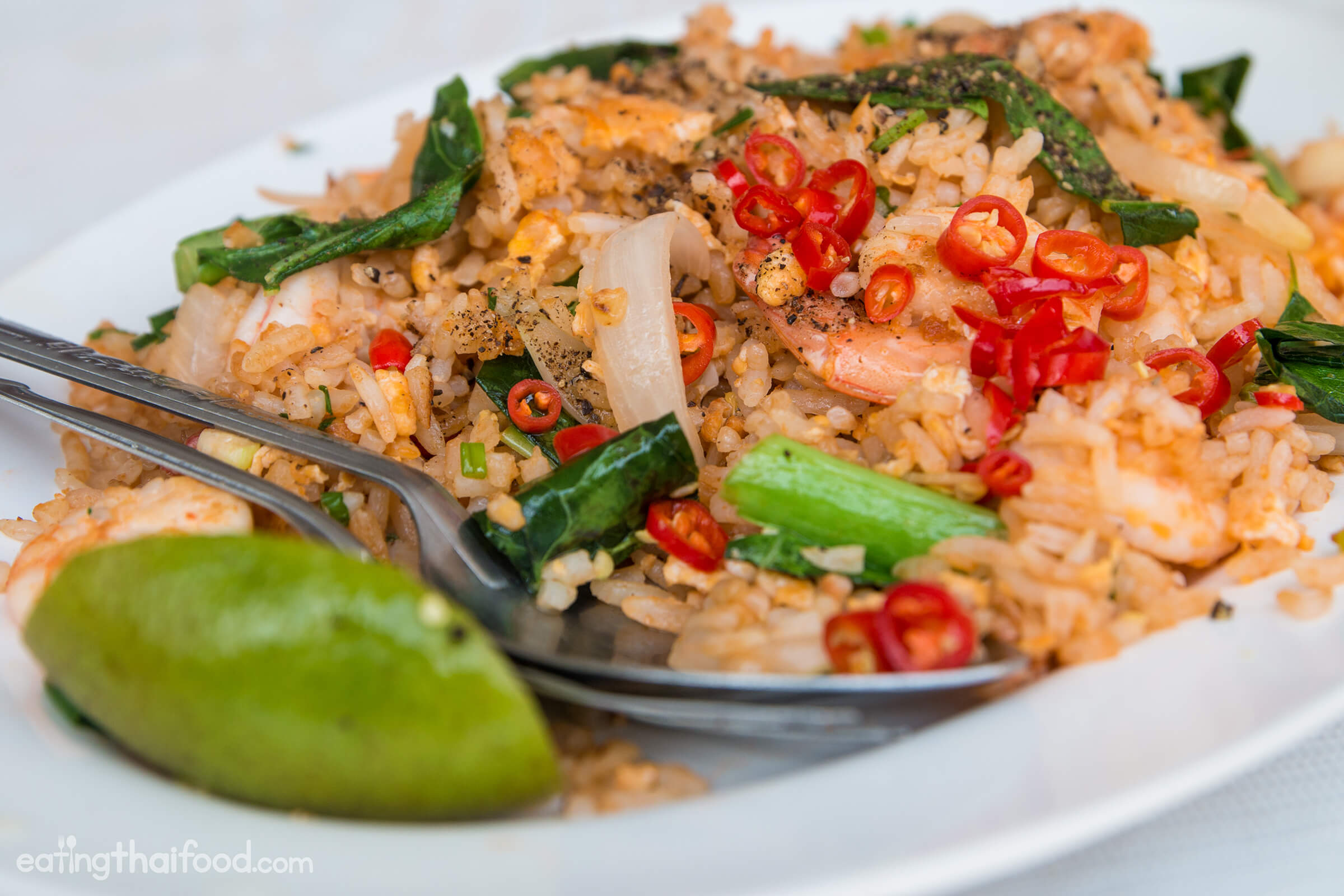
Authentic Thai Fried Rice: Master Khao Pad's Street Stall Secrets
Imagine the vibrant cacophony of a Bangkok street stall, the air thick with fragrant spices, and the rhythmic clatter of a wok as a chef masterfully transforms simple ingredients into a dish revered across Thailand and beyond. That dish is Khao Pad (ข้าวผัด) – the quintessential Thai fried rice. Often imitated, rarely truly replicated, authentic Khao Pad is a symphony of textures and flavors: light, fluffy rice, savory protein, subtle sweetness, and that unmistakable umami punch. This comprehensive guide delves deep into the secrets of creating genuine
thai fried rice khao pad at home, bypassing soggy mediocrity for the crisp, fragrant perfection found on the bustling streets of Thailand. Prepare to elevate your home cooking and bring the essence of Thai cuisine to your table.
What is Khao Pad? Unpacking Thailand's Beloved Everyday Dish
At its heart, Khao Pad is brilliantly simple. The name itself, derived from "Khao" (rice) and "Pad" (stir-fried), perfectly describes this beloved classic. It features fragrant jasmine rice stir-fried rapidly with garlic, eggs, and a choice of protein, all brought together by a distinctive seasoning blend. While many associate fried rice with soy sauce,
authentic Thai fried rice khao pad stands apart. Unlike its darker, soy-sauce-dominant Chinese counterpart, Khao Pad boasts a lighter hue and derives its profound savory depth and signature "funk" primarily from fish sauce. This crucial difference is what gives Thai fried rice its unique character. For a deeper dive into these culinary distinctions, explore our article on
Khao Pad vs. Chinese Fried Rice: The Fish Sauce Difference.
But Khao Pad is more than just rice and protein. It's an experience. Traditionally, it arrives at your table adorned with fresh lime wedges, crisp cucumber slices, and a small dish of Prik Nam Pla – a fiery, zesty fish sauce condiment brimming with chilies and garlic. These accompaniments aren't mere garnishes; they're essential tools for customizing each mouthful, allowing you to fine-tune the heat, acidity, and savory notes to your personal preference. Whether you opt for tender chicken (Khao Pad Gai), succulent shrimp (Khao Pad Goong), rich pork, or a vegetarian tofu version, the versatility of Khao Pad makes it a perfect dish for any palate or occasion.
The Three Pillars of Authentic Khao Pad: Street Stall Secrets Revealed
After countless batches cooked in home kitchens and extensive observation at actual Thai street stalls, it becomes clear that true Khao Pad perfection hinges on a few non-negotiable elements. These aren't just tips; they are the foundational principles that distinguish a truly great
thai fried rice khao pad from a merely passable one.
1. The Magic of Day-Old Jasmine Rice: The Foundation of Fluffiness
This is perhaps the most critical secret. Freshly cooked rice is simply too moist. Its high water content leads to a mushy, clumpy texture when stir-fried, clinging together rather than separating into distinct, chewy grains. The solution? Day-old jasmine rice.
* **Why it works:** Rice that has been cooked and then left to cool (ideally overnight in the refrigerator) dries out slightly. This subtle dehydration is precisely what allows each individual grain to hold its shape, achieving that coveted, slightly chewy, yet distinct texture essential for authentic fried rice.
* **Practical Tip:** Plan ahead! Cook your jasmine rice the day before you intend to make Khao Pad. Once cooked, spread it out on a baking sheet to cool quickly, then transfer it to an airtight container and refrigerate. If you're short on time, even rice cooked earlier the same day and thoroughly cooled will be better than hot, fresh rice. While traditional white jasmine rice offers the classic texture, you can experiment with brown jasmine rice for a healthier, nuttier twist, just be mindful of its slightly different texture profile.
2. Fish Sauce: The Soul of Thai Fried Rice
Forget the soy sauce if you're aiming for authenticity. While soy sauce has its place in Asian cuisine, it simply cannot replicate the unique, pungent, and incredibly savory depth that fish sauce (Nam Pla) brings to
thai fried rice khao pad.
* **Why it works:** Fish sauce provides a complex umami bomb that is savory, slightly funky, and salty all at once. It's the primary seasoning that defines the flavor profile of authentic Khao Pad, imparting that distinctive taste you find in Thailand. It's not just about salt; it's about a foundational savory element that permeates every grain of rice.
* **Practical Tip:** Invest in a good quality fish sauce. Look for brands with a high percentage of anchovy extract and a clear, amber color. A good fish sauce should smell robust, not overtly fishy or sour. It will be your best friend in mastering Thai flavors.
3. High Heat & Rhythmic Folding: Mastering the Wok Technique
The technique used to stir-fry is as crucial as the ingredients themselves. Thai street stalls operate with incredibly powerful burners, heating woks to blistering temperatures. This extreme heat is vital for achieving "wok hei" – the smoky, complex aroma that characterizes perfectly stir-fried dishes.
* **Why it works:** High heat rapidly cooks and caramelizes the ingredients, creating layers of flavor and preventing the rice from steaming or getting soggy. However, it's not about aggressive, constant tossing. Thai technique employs controlled, rhythmic folding motions. This distributes seasonings evenly and cooks the ingredients without breaking apart the delicate jasmine rice grains, ensuring a beautiful, fluffy result.
* **Practical Tip:** If you don't have a wok, a large, heavy-bottomed skillet or cast-iron pan can work, but ensure it's screaming hot before you add ingredients. Don't overcrowd the pan; cook in batches if necessary to maintain high heat. When you stir, use a folding motion with your spatula, pushing ingredients from the bottom to the top and around the pan, rather than frantically scrambling. This gentle yet rapid movement is key.
Crafting Your Khao Pad: A Step-by-Step Guide & Customization
With the fundamental pillars understood, let's look at how to bring your
thai fried rice khao pad to life. The process is remarkably quick, often ready in under 30 minutes, making it a perfect weeknight meal.
The Signature Savory-Sweet Sauce
The irresistible coating on Khao Pad results from a delicate balance of salty and sweet. While fish sauce is the star, a touch of sugar (often palm sugar, but granulated sugar works) is usually added to round out the flavors, creating a harmonious profile that lingers on the palate. Some recipes might include a dash of oyster sauce for added depth and glossiness, but the core remains fish sauce and sugar.
Protein Powerhouse: Your Choice, Your Style
The beauty of Khao Pad lies in its adaptability.
* **Chicken (Gai):** Dice boneless, skinless chicken thighs or breasts into bite-sized pieces for quick cooking.
* **Shrimp (Goong):** Peel and devein shrimp; they cook very quickly and add a lovely oceanic sweetness.
* **Pork (Moo) or Beef (Nuea):** Thinly slice pork or beef for tenderness and rapid cooking.
* **Tofu:** For a vegetarian option, press extra-firm tofu, cube it, and pan-fry until golden before adding it to the wok.
* **Tip:** Cook your chosen protein first until almost done, then push it to the side of the wok or remove it briefly before cooking the garlic and eggs. This prevents overcooking and ensures even distribution.
Veggie Vibrancy and Freshness
While Khao Pad is primarily about rice and protein, a few vegetables add essential texture and flavor:
* **Garlic:** Always start with plenty of finely minced garlic for fragrance.
* **Onions:** Diced yellow onions are often stir-fried with the protein, while sliced green onions are added towards the end for a fresh bite.
* **Cherry Tomatoes:** Halved cherry tomatoes add a burst of acidity and sweetness, usually added in the final stages to retain some firmness.
* **Optional:** Feel free to include other quick-cooking, fried-rice-friendly vegetables like diced carrots, peas, or corn, adding them based on their cooking time.
Beyond the Basics: Healthier Options & Time-Saving Hacks
One of the great advantages of making
thai fried rice khao pad at home is the ability to customize it to your lifestyle and dietary preferences. For busy weeknights or health-conscious eaters, this dish is a fantastic solution.
* **Healthier Twist:** Reduce the amount of oil typically used in restaurant versions without sacrificing flavor. Substituting white jasmine rice with brown jasmine rice significantly boosts fiber content, making it a more wholesome meal without compromising on taste. Learn more about making this dish part of your healthy routine in
Quick & Healthy Khao Pad: Your 30-Minute Authentic Thai Meal.
* **High in Protein:** With ample chicken and eggs, Khao Pad is naturally a high-protein, filling meal that sustains you without feeling heavy.
* **Meal Prep Marvel:** This dish reheats beautifully, making it an excellent candidate for meal prep. Cook a larger batch and portion it out for quick, delicious lunches or dinners throughout the week.
* **Time-Saving Hack:** The key to a sub-30-minute meal is *mise en place*. Chop all your vegetables, measure your sauces, and prepare your protein *before* you even turn on the stove. Once the wok is hot, the cooking process is incredibly fast.
Conclusion
Mastering
authentic thai fried rice khao pad is a journey that rewards patience and attention to detail. By understanding the critical role of day-old jasmine rice, embracing the depth of fish sauce, and perfecting the high-heat, rhythmic folding technique, you can recreate the magic of a Thai street stall right in your own kitchen. This isn't just another fried rice recipe; it's an invitation to explore the rich, balanced, and utterly irresistible flavors of Thailand's beloved everyday dish. So gather your ingredients, fire up your wok, and prepare to delight your senses with homemade Khao Pad that's truly better than takeout.